
Compiled by Jett Peters
2025 has come to a close, and to usher in the new year, let’s take a look back at some of our favorite images taken from UDRO in 2025. Hopefully, these images from the dark skies of the Utah Desert inspire your projects in 2026 and beyond.
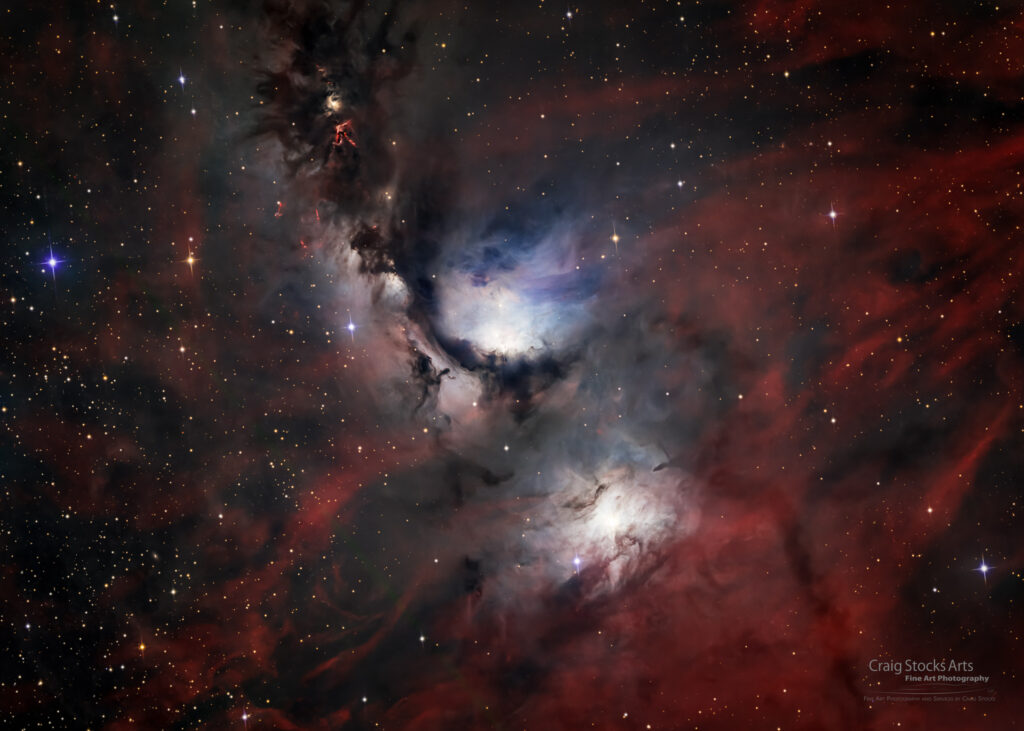
Taken with a Dream 16-inch imaging Newtonian, in this image Craig Stocks captures M78 in an L,R,G,B,Ha composition. M78 is classified as a reflection nebula and gives off an intense blue glow. The imaging time devoted to hydrogen reveals the subtle background gas that can be found throughout the constellation.
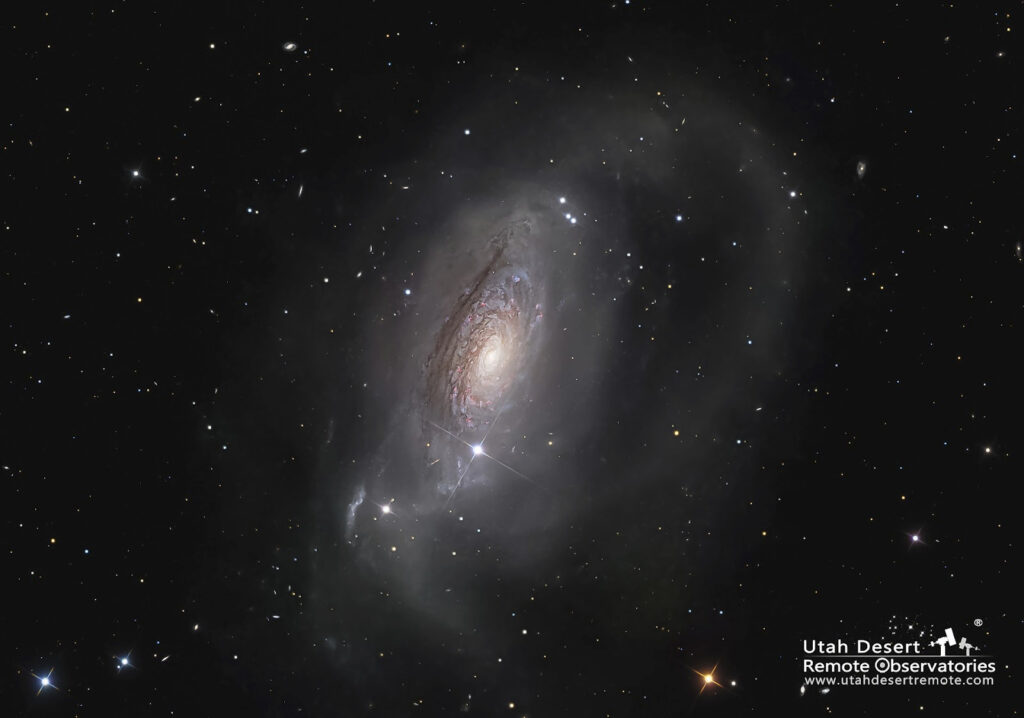
In this image of M63, or the Sunflower Galaxy, Craig Stocks reveals its intense dust rings and eccentric structure. The galaxy, 29.3 million light-years away from Earth, is classified as a spiral and sits within the constellation Canes Venatici. This image of the Sunflower illustrates both the scale of the night sky, and the power of modern amateur astronomy.
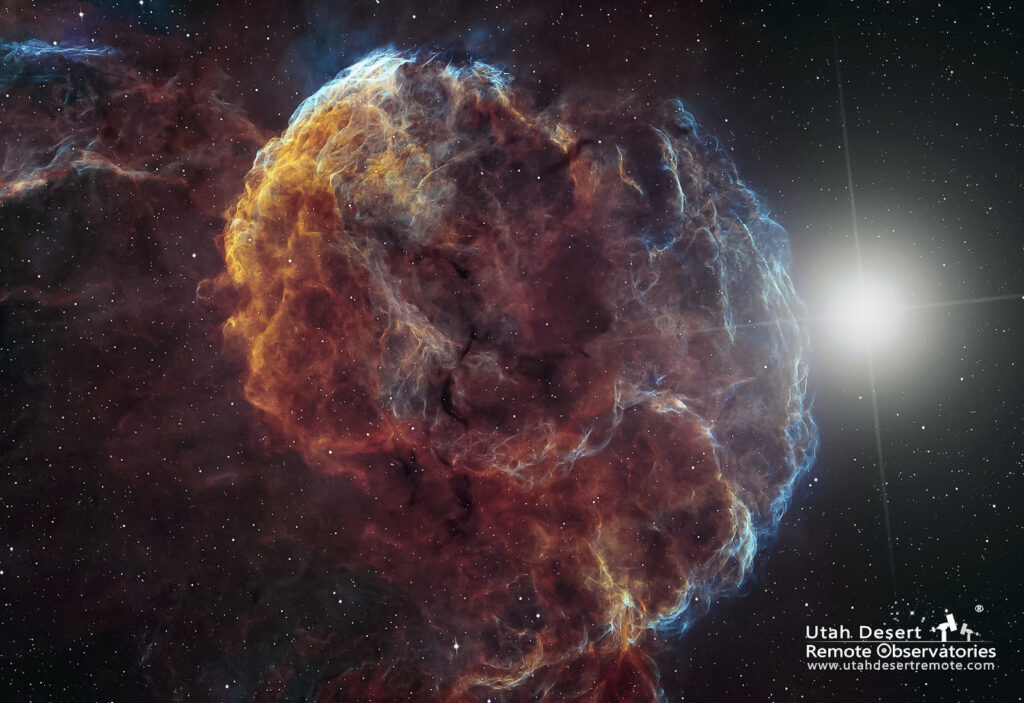
The Jellyfish nebula or IC 443 is the first supernova remnant (SNR) on our list. These objects are incredibly interesting and show strong emission across the EM spectrum from X-Ray to Radio. Here its visible components are captured by Craig Stocks in a S,H,O,L,R,G,B palette. The Jellyfish nebula reflects the standard structure of supernova remnants; it is made up of sharp filaments oriented in an ellipse. The object is located in the constellation Gemini, and its age is still only roughly constrained.
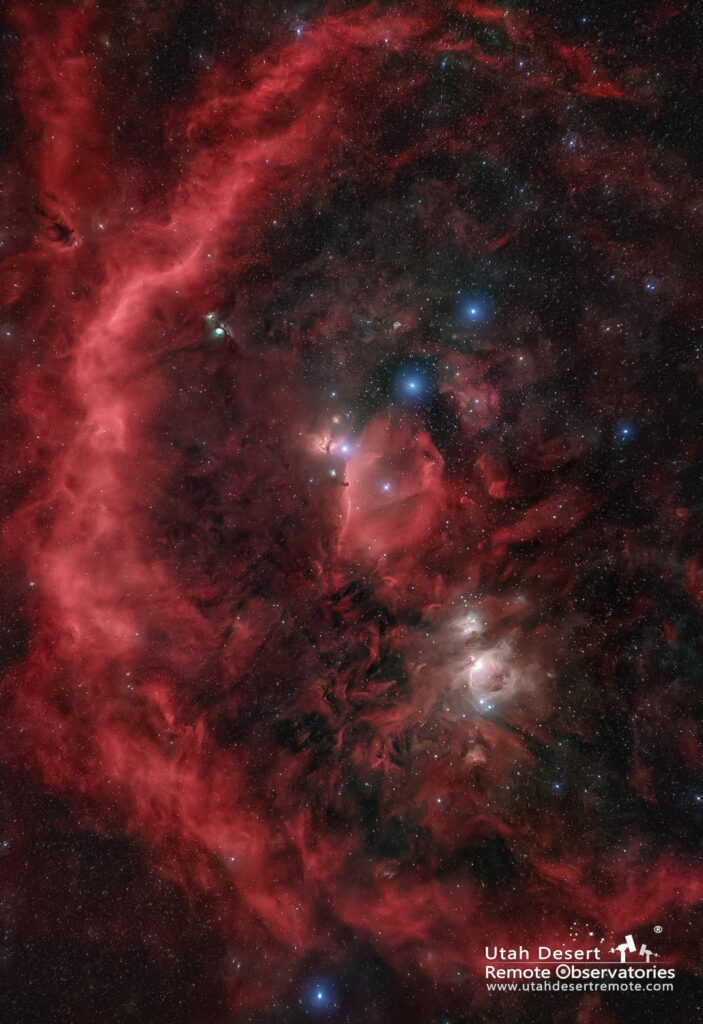
While Orion is one of the most imaged regions of the night sky, this image heavily deserves its place in our favorites. This composition by Craig Stocks includes: the Horsehead Nebula, the Orion Nebula, the Flame Nebula, M78, and the Boogeyman Nebula. Ionized hydrogen dominates the frame as Barnard’s Loop encloses the smaller nebula. Take a moment to find M78 in the image and compare it to the first image; this gives a sense of scale of both.
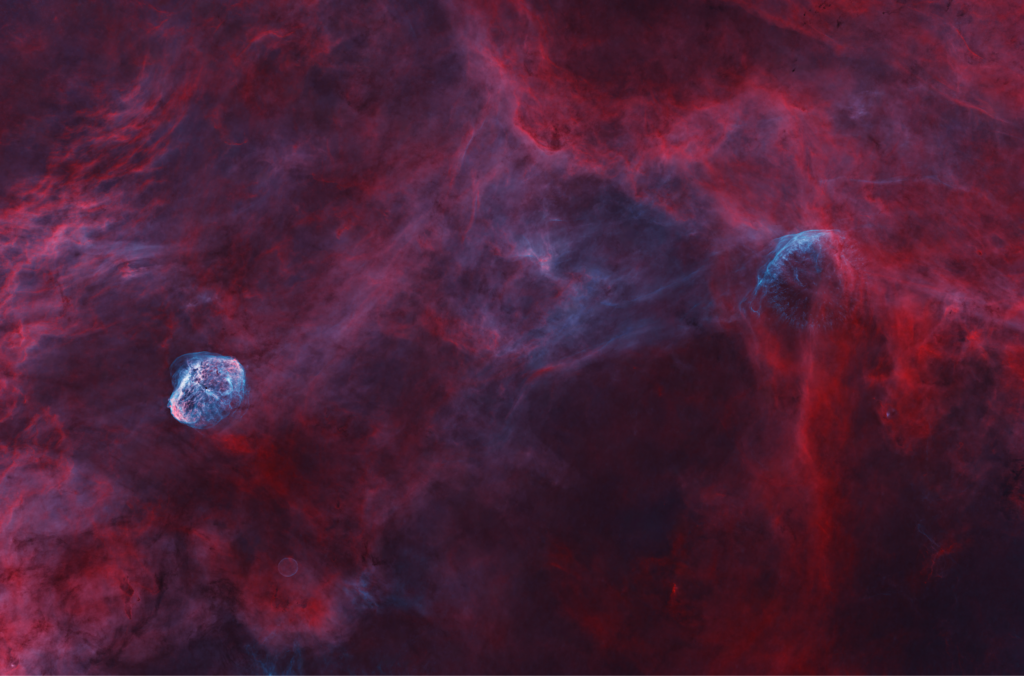
This image by Jett Peters captures both WR134 and the Crescent Nebula. This region is imaged often because it contains two Wolf-Rayet nebulae. These nebulae are rare in the night sky (with only tens of nebulae known) and have an incredibly unique skeletal structure, which blends characteristics from planetary nebulae and supernova remnants. If you’re curious about these nebulae and the wild stars at their centers, check out our blog on Wolf-Rayet stars.
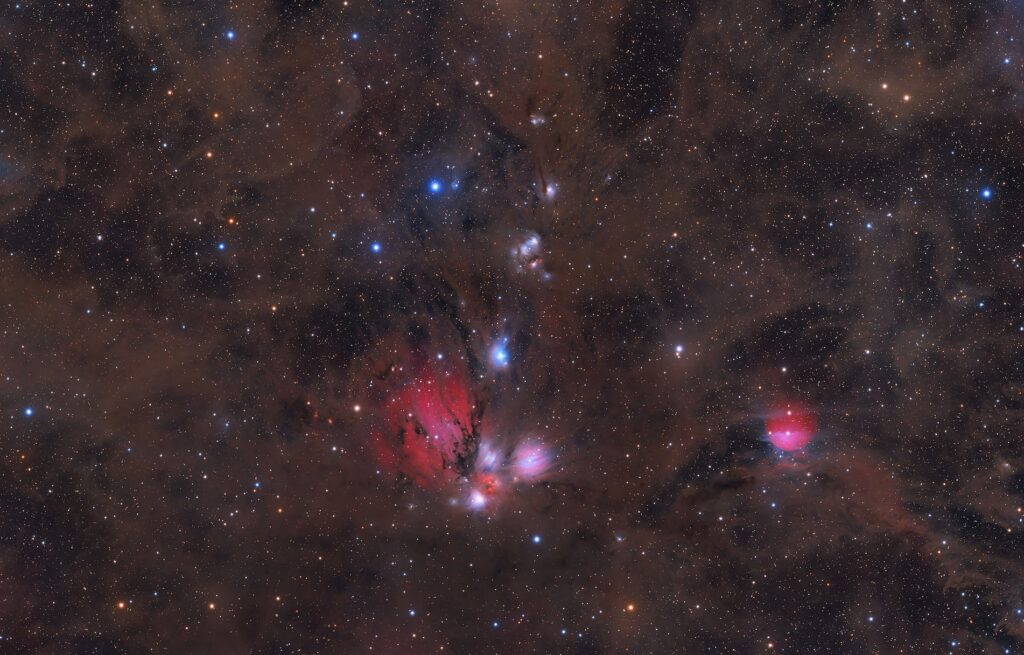
The Angel nebula is located in Orion, an absolute treasure trove of targets. Truly unique, the Angel is nestled among dense dust clouds and emits a rich palette of tones, ranging from deep blues and purples to vivid crimson reds.This image by Jett Peters, while still a work in progress, illustrates the full extent of the Angel’s structure in a 75-hr deep field.
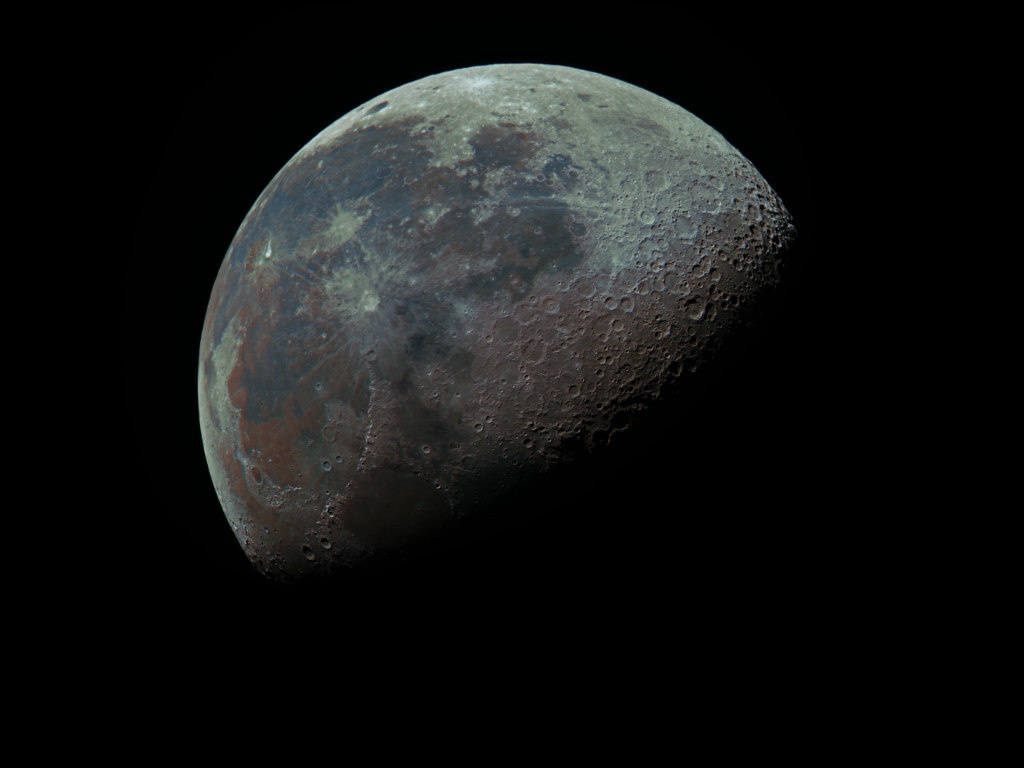
While we often think of the moon as a nuisance in astrophotography, this image by ___ illustrates its beauty through a mineral composition. By ratcheting up the saturation and vibrancy of an RGB image, the subtle differences in the color of the surface can be revealed.
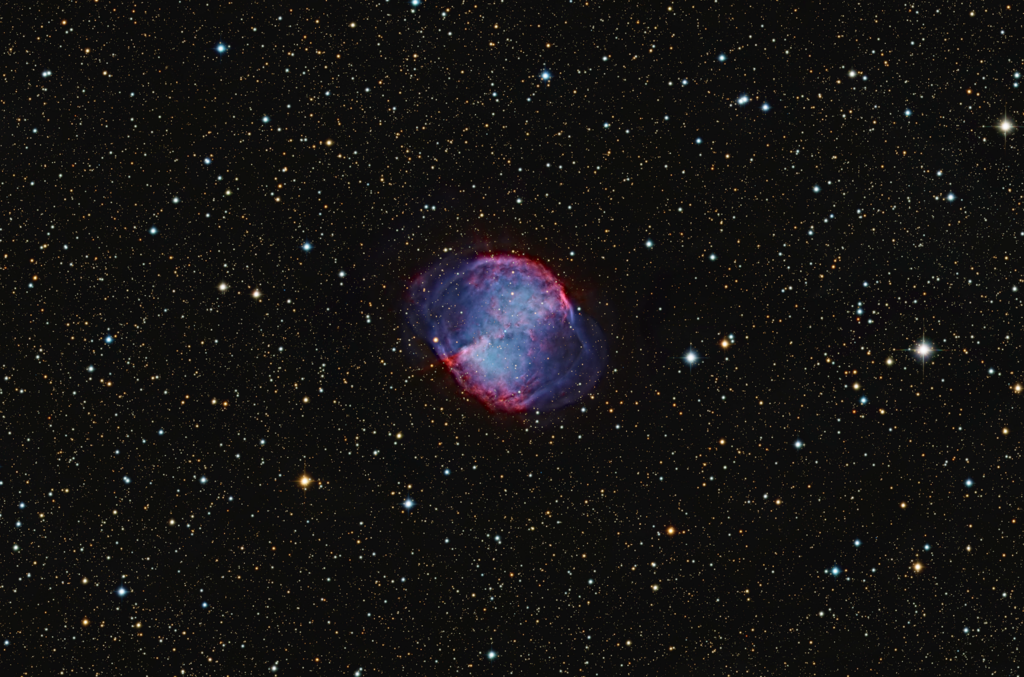
The Dumbbell nebula or M27 is characterized by strong hydrogen and oxygen emission. Residing 1200 light years from Earth in the constellation Vulpecula, it was the first planetary nebula to be discovered all the way back in 1765. This image by Tim Regier reveals the elliptical shape and striking colors of this historic object.
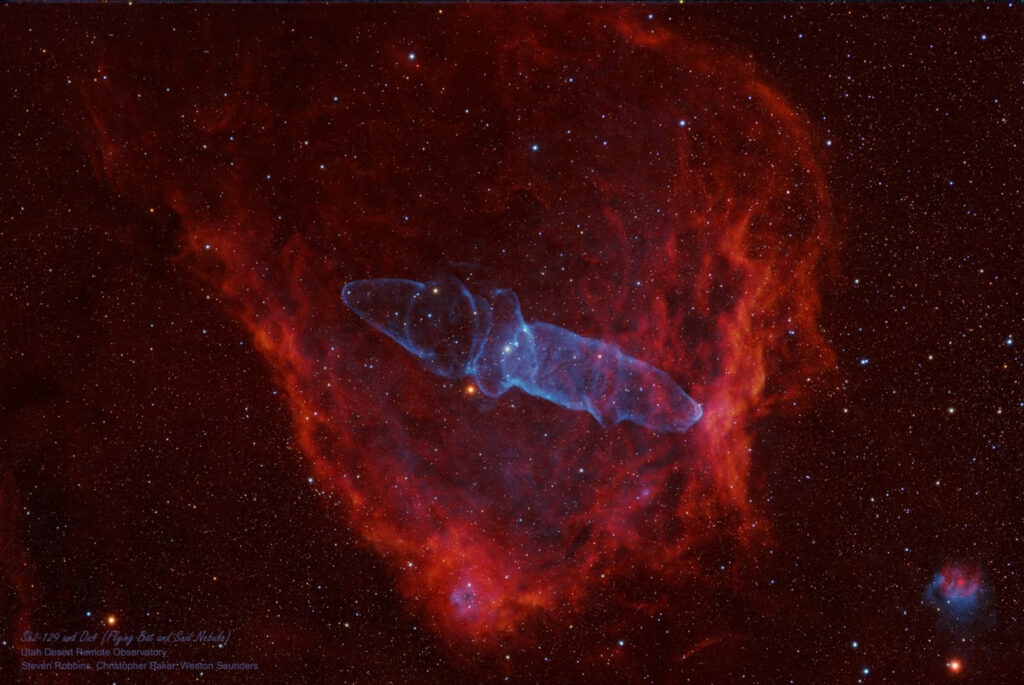
Known for its unique structure, but extremely faint emission, the elusive Squid and Flying Bat Nebula reside in Cygnus. To be specific, the Flying Bat is the name for the hydrogen shell framing the blue oxygen emission of the Squid. In this wide-field HOO composition, Steve Robbins captures both with striking contrast.
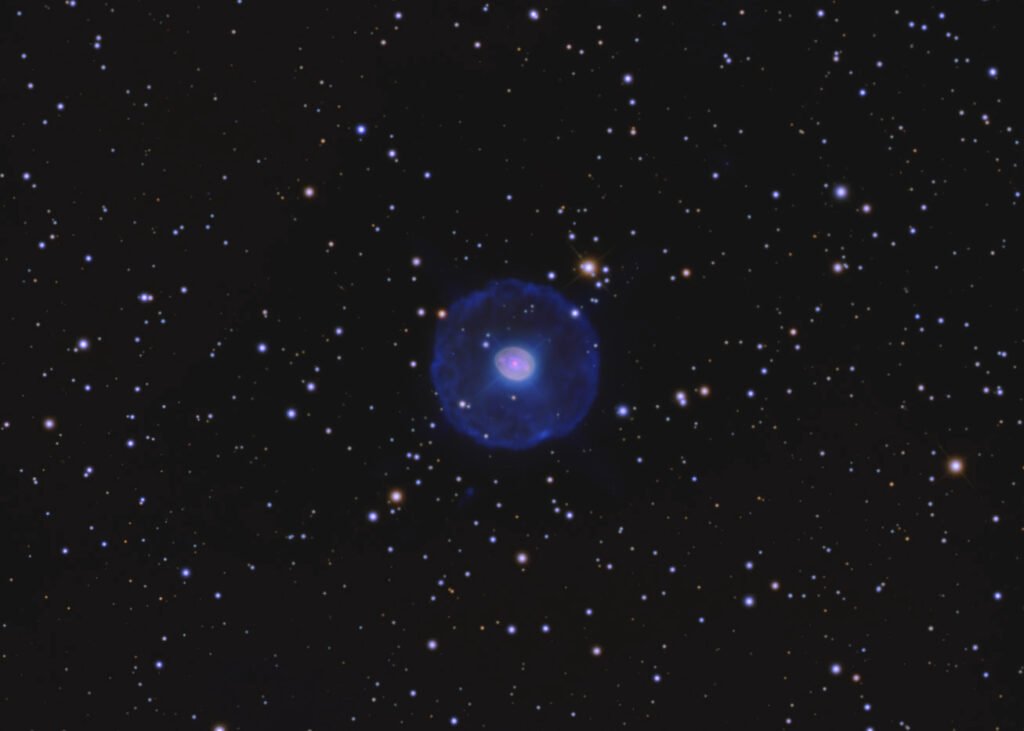
NGC 6826, or the Blinking Planetary, is a planetary nebula in Cygnus. In this image by Steve Robbins, the core of the nebula, its central white dwarf, and the surrounding shell are resolved in high detail. While many of the objects we discuss on this blog are tricky for processing reasons, or because of the time requirements imposed by their luminosity, this target is a challenge because of its size. NGC 6826 is merely 27″ × 24″ in angular size, requiring the use of a very long focal length telescope and the stable sky conditions accessible at a remote observatory.